

The Impossible Murder on the Paris Métro

May 12 2026, Published 10:35 p.m. ET


1930s Paris was one of the truly great eras in the history of France’s City of Light. A center for art and bohemian culture, as it had always been, the city was home to new cultural waves sweeping the world, particularly in fashion and cinema. Coco Chanel was just as likely to dominate the press as Picasso or Dalí. This vibrant atmosphere, however, was tempered by the political tensions that so often accompany life in the French capital. The specter of fascism loomed over Europe, and regular street clashes erupted between the far-right Action Française and the communist Front Populaire. Despite all this, in May 1937, Parisians were captivated by something else entirely: a murder so baffling and unresolved that many considered it “impossible.” And yet, it may not have been so different after all.
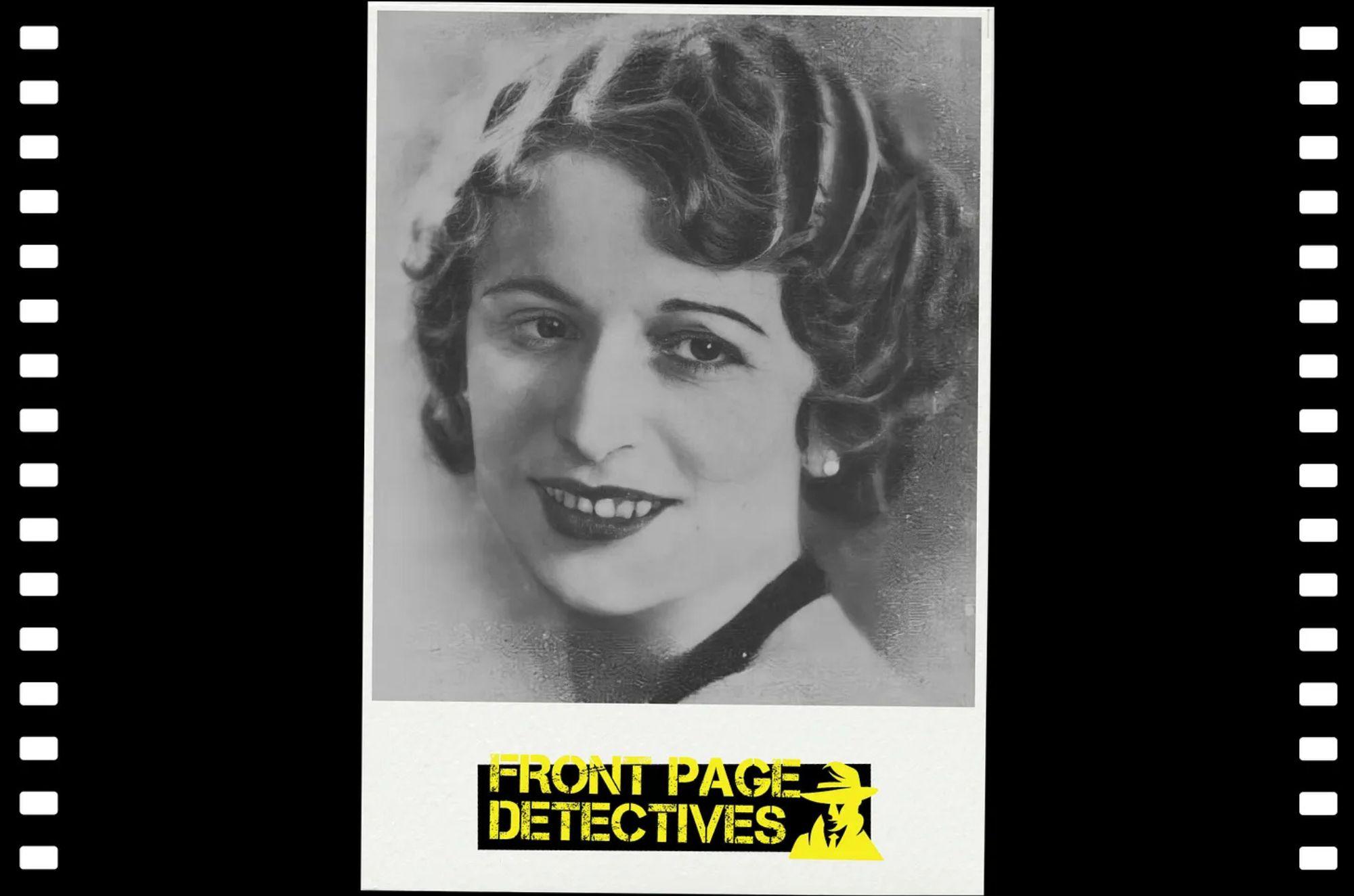
Laetitia Toureaux
Laetitia Toureaux was, in many respects, the very embodiment of this age of classic high fashion and Art Deco. The image of a woman’s role in a still male-dominated society was beginning to move away from someone who “knew her place” and toward new levels of independence. Yet few might have guessed just how modern Toureaux truly was.
She was born on September 11, 1907, in the Aosta Valley, a bilingual region of the Italian Alps. Her family was not wealthy; her father, Jean-Baptiste Nourrissat, worked as a construction laborer and farmer. Enlisted to fight in World War I, it seems possible that his wartime experiences strained his home life, and in 1920 her parents became estranged. Laetitia’s mother, Marie, moved to France with her children, first to Lyon and then to Paris.
Although life did not bring wealth, the family found factory work among Paris’s growing Italian immigrant community. Laetitia was said to be happy and married a young man named Jules. Jules was of a higher social standing than his wife, and their union was kept secret from his family. The two were said to be deeply in love, yet tragedy soon struck. In 1934, Laetitia was widowed, with Jules’s family discovering the marriage only on his deathbed. Cut off from support, she became distraught and lonely, taking a series of lovers in the years that followed and often engaging in illicit liaisons in hotels and even public parks.
Her lodgings were modest: a single room with a kitchen. She made her own clothes and favored an elegant style, and she was said to be highly talented. Yet this did not diminish Laetitia’s public persona. She was noted for her radiance, regularly caring for poor children on her street and offering a ready smile even to strangers—making the events of May 16, 1937, all the more peculiar.
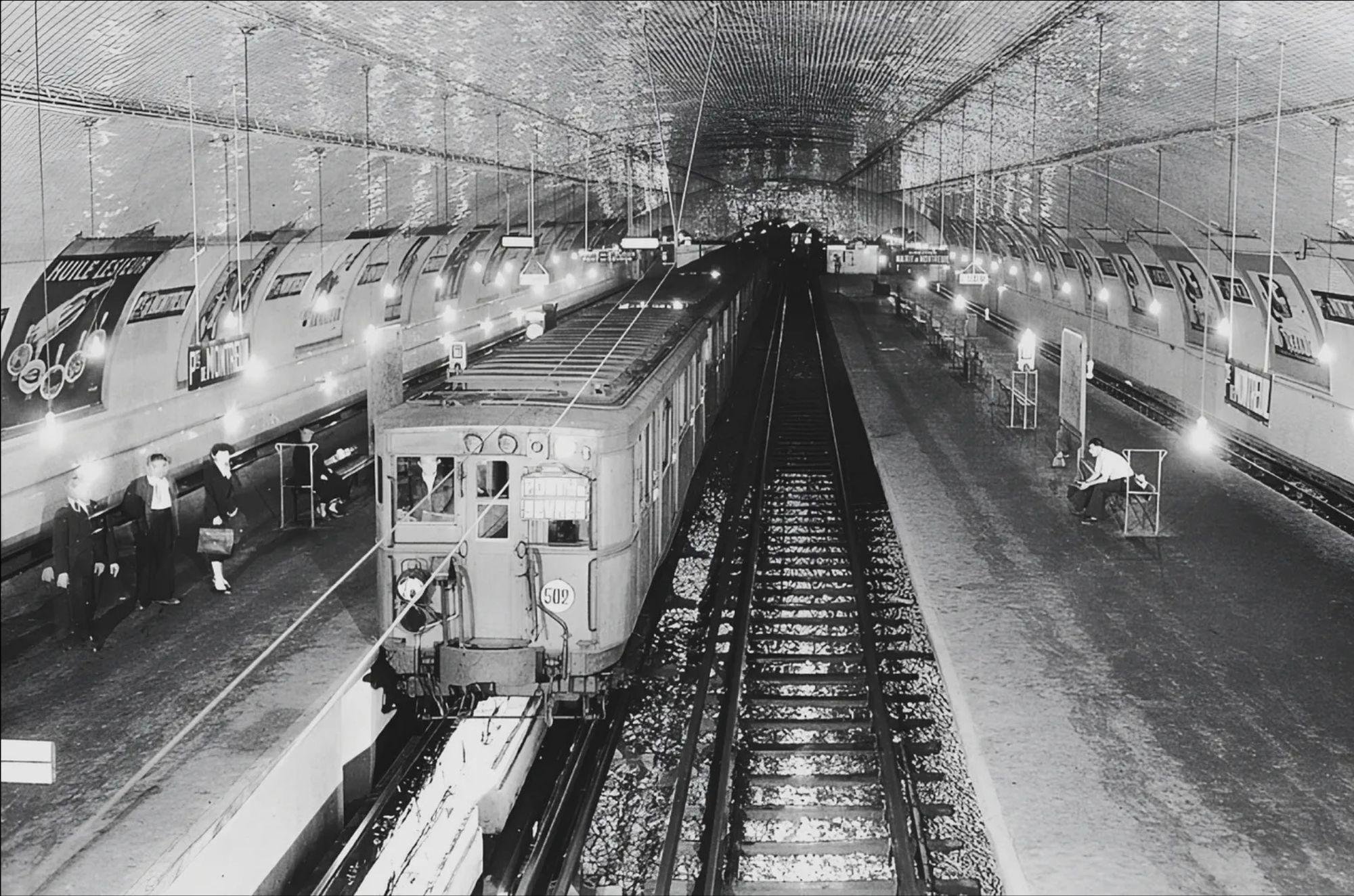
Porte de Montreuil, Paris, 1930s
In many minds, the image of the steam train is forever entwined with romance and murder—from the lost passions of Brief Encounter to the ingenious resolution of the iconic Murder on the Orient Express. Trains evoke images of a more civilized age, at least on the surface. For Parisians, however, those romantic associations were stripped away on that Sunday evening at the Porte Dorée Métro station, when Toureaux was found stabbed in an empty first-class compartment.
A switchblade knife was embedded in her neck, and she was already dying when she was discovered. Despite emergency services being hastily summoned, she died before reaching the hospital, never able to say a word. The killer would have had less than a minute—likely no more than forty-five seconds—to carry out the crime as the train traveled between Porte de Charenton and Porte Dorée. No one witnessed anyone boarding or leaving the carriage at either station. It was almost as though she had been killed by a shadow.
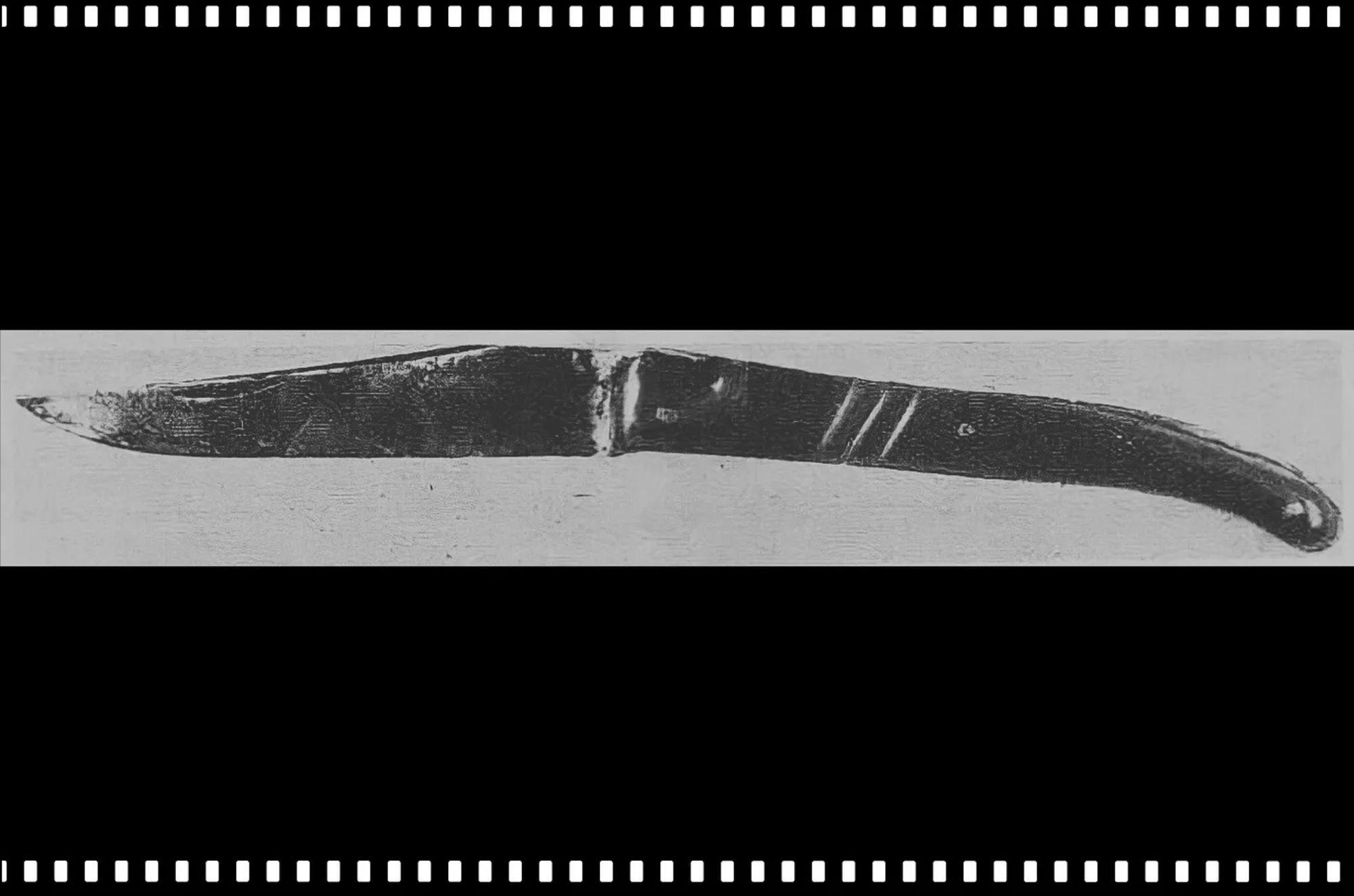
The murder weapon used to kill Toureaux
An autopsy revealed that Toureaux had died from massive blood loss following the precise severing of her jugular vein, suggesting that only a professional assassin would have possessed the knowledge and skill to carry out such an effective attack.
Friends and acquaintances reported that Toureaux had feared for her life in the days leading up to her murder and was particularly concerned about the behavior of one of her lovers. Hoping to end the relationship, she told them that he was powerful and obsessed with her. While speaking with staff at the Philippe Auguste station, police learned that Laetitia had reported an earlier attack: on May 13, three days before her death, a man had attempted to stab her. She had managed to fend him off but refused to identify her attacker.
Notably, Laetitia usually traveled second-class on the Métro. Only on Sundays did she occasionally indulge in a first-class ticket, and those carriages were well known to be empty on that day. The number of people who would have been aware of this routine was minimal.
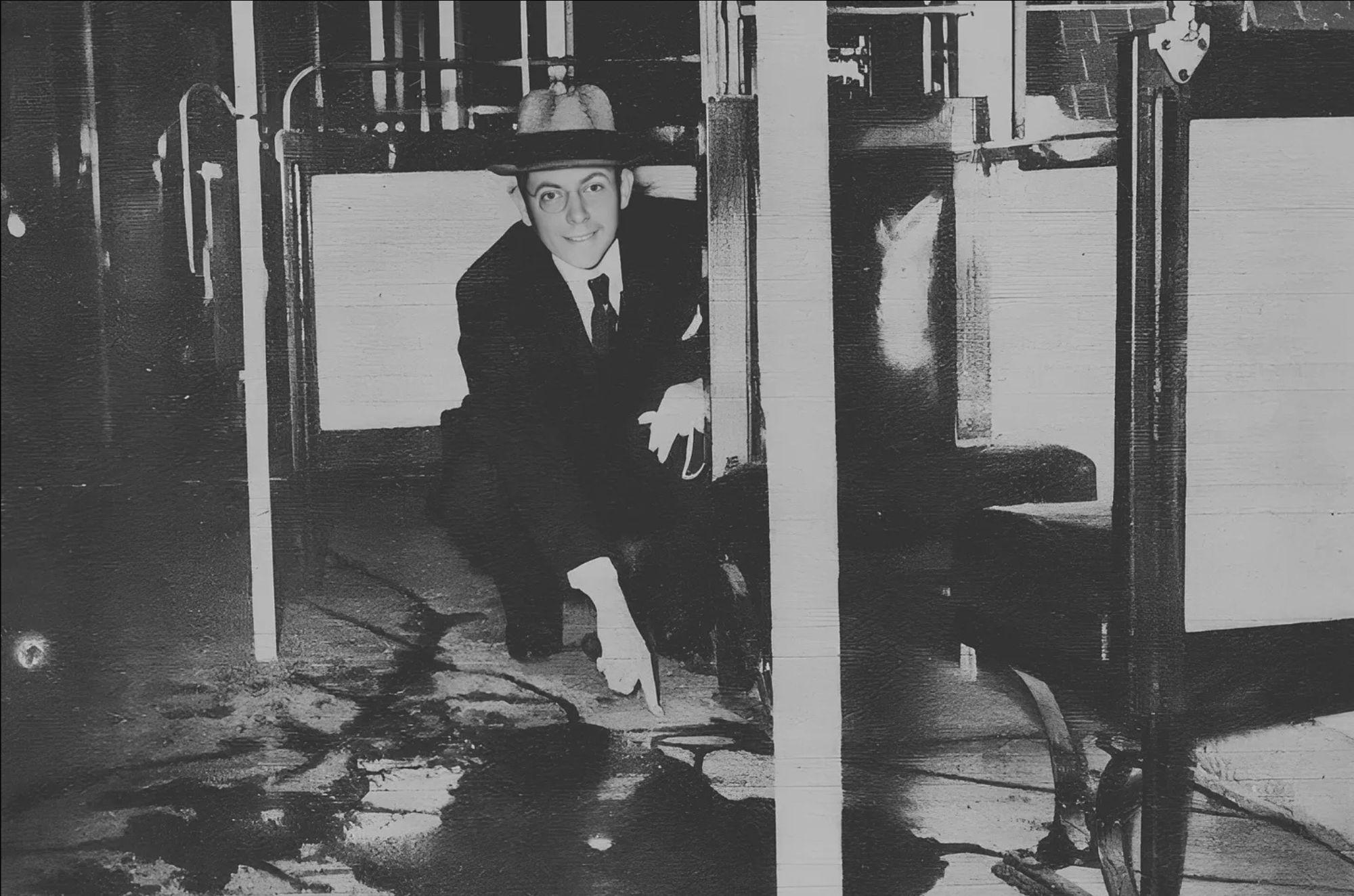
A Parisian detective inspects the spot where Toureaux was killed
However, investigations into Laetitia’s background soon revealed that she was far more than a nondescript immigrant factory worker. The first clues were found in her correspondence. Police discovered a note from a mysterious “Jean” in her purse, as well as love letters from a different man at her home. Believing the killing might have been a crime of passion, investigators began examining Laetitia’s personal life in depth.
Jean—the man she appeared to be on her way to meet—was identified as Jean Martin, a sailor. Meanwhile, the author of the letters was René Schramm, a soldier stationed on the Maginot Line, France’s infamous fortification system designed to defend against Nazi Germany. The relationship between Toureaux and Schramm was serious: the two had first met in 1936, and Schramm admitted they were sexually involved and discussing marriage. By contrast, Toureaux had only recently met Jean Martin. Both men, however, were found to have been refused leave on the night of the killing, eliminating them from the inquiry. Even so, police now held a markedly different image of Toureaux.
That image took on a more troubling dimension with the discovery of a postcard in her apartment. The card had been sent by an unknown individual identified only as “I. Ch” and postmarked from the Universal Assembly for Peace, a conference held in Brussels the previous year. The message itself was overtly far-right in nature. Indeed, the specter of fascism would loom over the entire case, with Toureaux seemingly having little hesitation about personal involvement with its adherents.
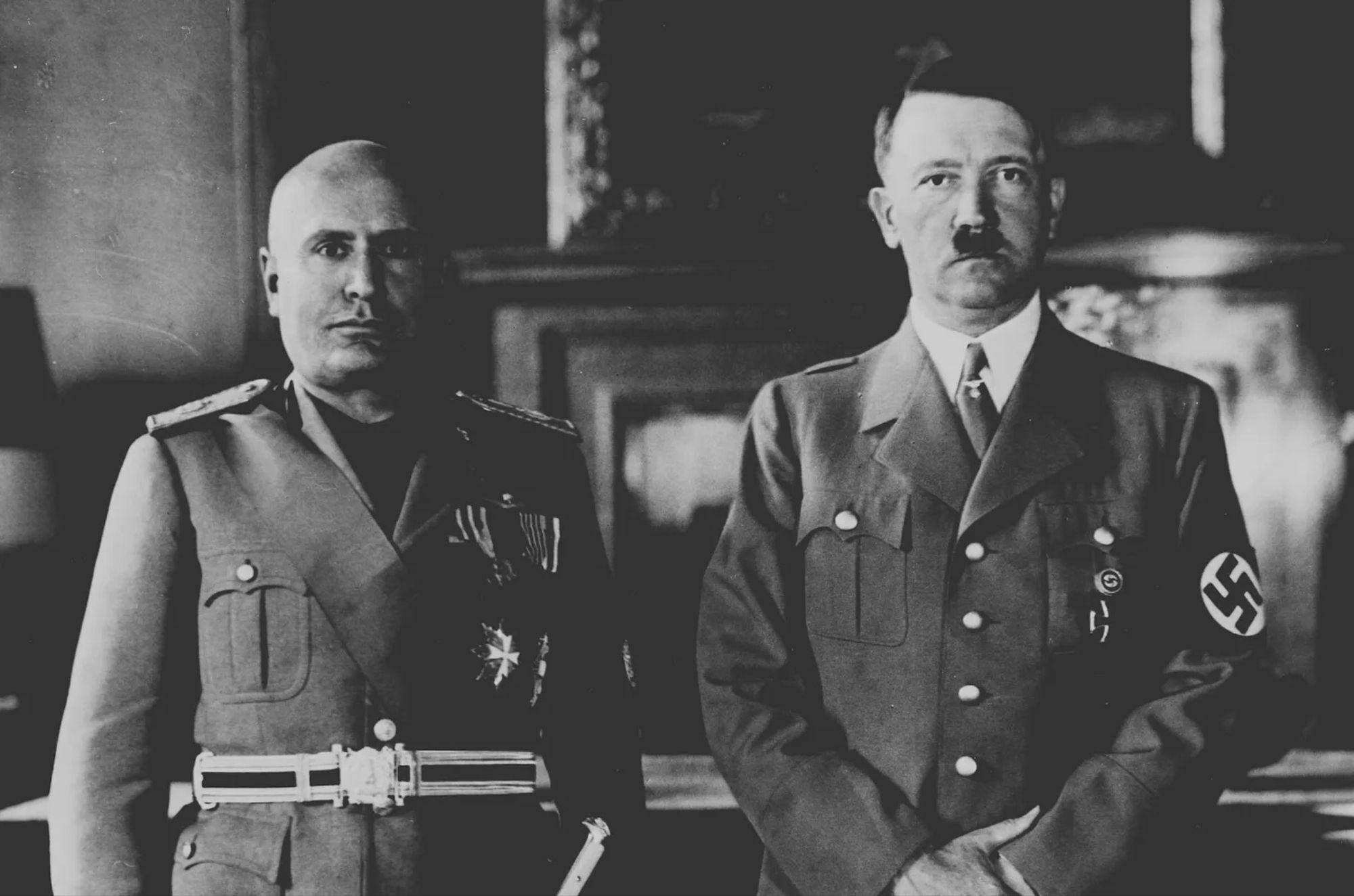
An alliance had been announced between Germany and Italy in October of 1936
More lovers were uncovered, including a young Italian fascist named Giovanni Gasperini. Toureaux had initially continued her relationship with Gasperini during the early days of her involvement with Schramm, but she had ended it, finding him immature. While Gasperini told police that they had remained friends, other acquaintances contradicted him, reporting that the two had argued loudly in public when Toureaux discovered he was involved with a woman named Leonie Devouillion, a known prostitute. Investigators explored the possibility that Laetitia herself might have supplemented her income through prostitution but found no evidence to support it. Instead, they discovered that she held a second job at the cloakroom of the L’ As-de-Coeur ballroom, where she met many of the men in her life. There, management paid her to dance and subtly encourage patrons to remain on the premises and spend money—a common practice during the first half of the twentieth century.
As police investigated the ballroom and its patrons, they doubted that the sophisticated and professional assassination on the Métro had its origins in ordinary quarrels or romantic entanglements. Their inquiries soon shifted in a new direction when witness statements revealed that Toureaux had been seen going through patrons’ pockets, and her bank statements showed income far beyond what could be expected from her jobs. Was she a thief? Or was one of her lovers wealthy and yet to be discovered? Investigators would soon learn it was neither: Laetitia Toureaux was a private investigator.
Toureaux was secretly working for the Agence Rouff agency, and much of her life revolved around her work. For example, she had been placed in the factory where she worked when management sought to replace a dismissed union leader, effectively spying on union activity. Police had even contacted the agency directly, working with Agence Rouff leader Georges Rouffignac. The agency also positioned Toureaux inside the left-wing anti-fascist organization Ligue Républicaine du Bien Public and at the L’ As-de-Coeur ballroom. Because of her surveillance of left-wing groups and her affair with a Mussolini supporter, suspicions arose that Toureaux might have had fascist sympathies. These suspicions were reinforced by evidence suggesting she had been involved in espionage long before Rouffignac noticed her.
Rouffignac himself was an intriguing figure. Born in 1895 in the tiny village of Marsac, he was a man of refined tastes and was rumored to be an Italian agent. While this may have been gossip fueled by his dark hair and swarthy appearance, there was no doubt he was particularly zealous in targeting the socialist left through his private detective agency. Speaking to the press, Rouffignac claimed that the young woman had displayed extraordinary confidence when presenting herself at his office, giving him the impression that she was already experienced in spy work. She reportedly told him, “I know how to do it.” Subsequent police investigations uncovered records of a “Toureaux” working as an informant as far back as 1929. Rouffignac noted that her early work was low-level, mainly consisting of tailing women and surveilling adulterous men. Further police inquiries confirmed that she had also worked elsewhere as a spy while employed by Rouffignac, though the locations remain unknown.
However, Rouffignac’s comments would later change for unknown reasons. He told the press that Toureaux had not been competent at all and that he had to teach her the basics of detective work—a statement contradicted by the fact that he had hired her for at least sixteen assignments and recommended her highly to the factory where she worked. These claims were echoed by police and lead investigator Commissioner Charles Badin, fueling suspicions of a cover-up in France’s most sensational newspapers. The character assassination escalated further, with Rouffignac suggesting that Laetitia had committed welfare fraud, taking government money while also being paid by him. He even implied that she had been a thief, claiming that the incident at the L’ As-de-Coeur ballroom had been unsanctioned and done solely for her own gain.
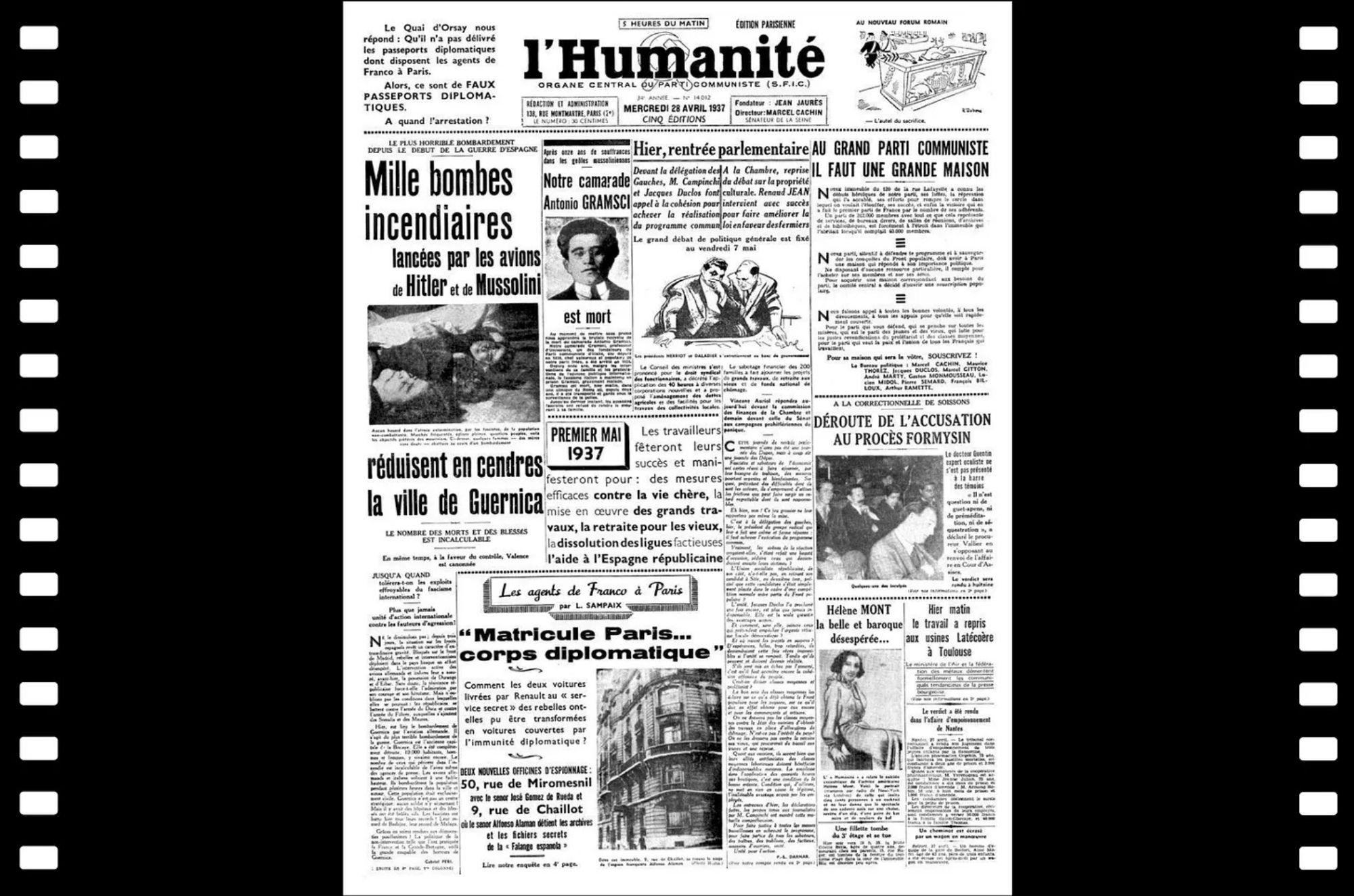
An issue of L’Humanité from April 1937
Meanwhile, police were making little progress in the case. Despite the usual flood of fantasists and false confessors, their investigations went nowhere. Public frustration mounted, and the press openly began to speculate that authorities were deliberately dragging their feet, given the potential for a far-reaching political scandal. The left-wing newspaper L’Humanité was chief among these voices, claiming that the powerful individual who had frightened Toureaux was a prominent right-wing figure, and that the police were shielding his involvement from public scrutiny.
As May drew to a close, the scandal took a fresh turn. Jean-Baptiste Nourrissat, Laetitia’s father, alleged in the press that another organization for whom she had been working was the police themselves. He claimed they had tasked her with missions far more delicate than those assigned by Rouffignac.
The police were forced to issue an official denial, stating that Toureaux had worked exclusively for Rouffignac, and confirming the earlier claims of incompetence. According to the statement, Toureaux was merely an amateur, in over her head. In truth, however, the situation was far more complex. L’Humanité had been essentially correct: the police were guarding their own interests, unsure of exactly whom Toureaux had been working for. The political overtones in the case made them cautious, and with tensions in Paris between fascists and communists at a breaking point, they had little desire to upset the delicate balance.
By this stage, press revelations of sexual promiscuity, criminality, and potential espionage had long turned public opinion against the victim. She was now portrayed as a common immigrant climbing the social ladder through illicit means, all while being disloyal to France. Times may change, but the press remains ever the same.
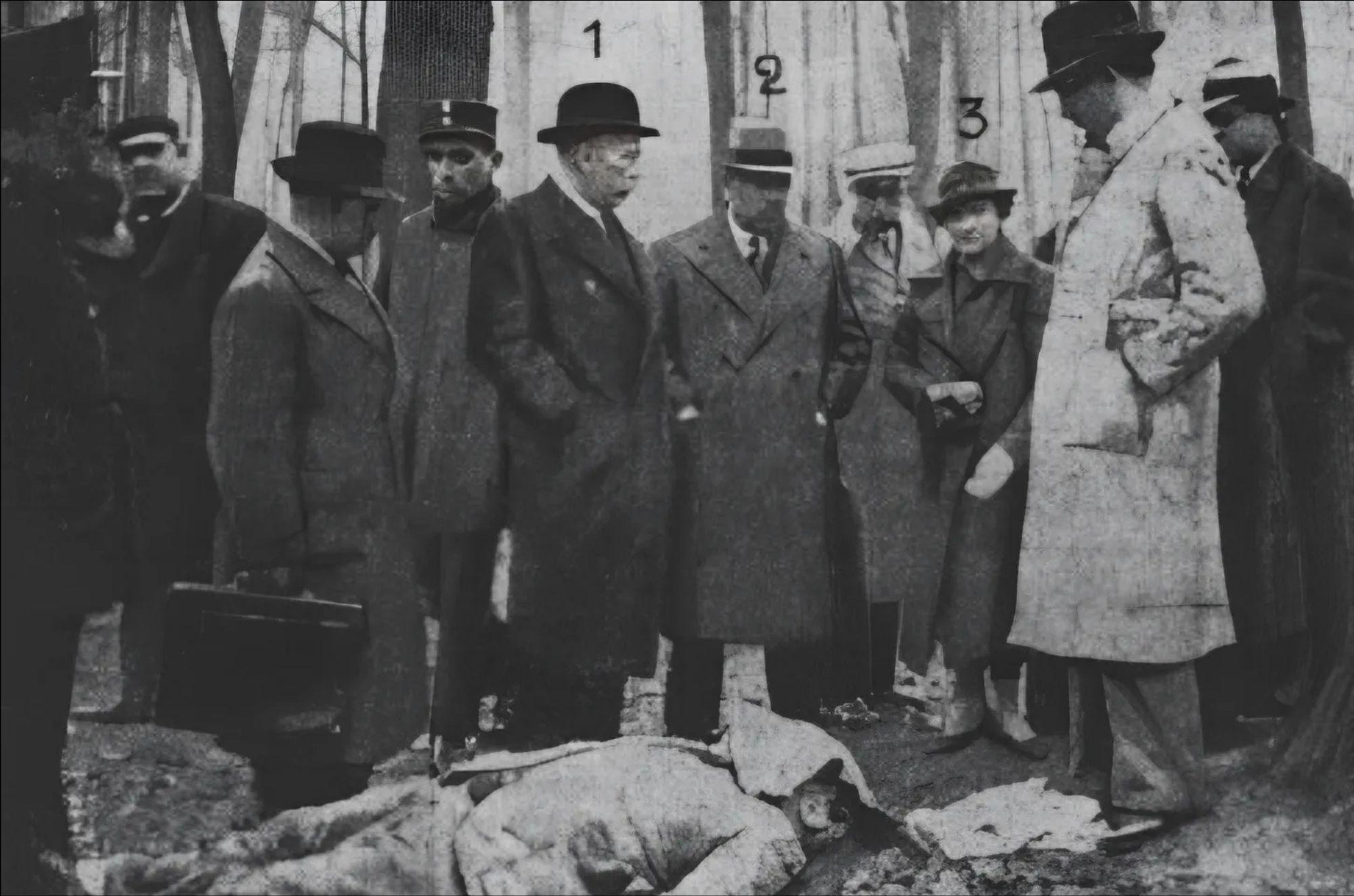
Police investigating the murder of Dimitri Navachine in January 1937
After months of deadlock, the police came as close to a breakthrough as they were ever going to get on November 15, when they moved against the Comité Secret d’Action Révolutionnaire (CSAR), commonly known as La Cagoule—“the hooded ones.” La Cagoule was a far-right paramilitary terrorist group determined to overthrow the socialist French government in favor of a fascist dictatorship and restore the monarchy, ending the republic. The clandestine organization enjoyed heavy support from segments of the armed forces and capitalist industry, with the heads of Michelin, L’Oréal, and Lesieur Oil funneling money into their coffers. La Cagoule had already been responsible for destroying aircraft intended for anti-Franco forces in Spain, as well as several riots and two notorious bombings in Paris in the period immediately preceding Laetitia Toureaux’s murder. The group was well-armed and maintained cells in several locations outside the capital. Quietly, police had already linked the Métro stabbing to the assassinations of Russian economist Dimitri Navachine and Italian anti-fascists Carlo and Nello Rosselli. La Cagoule was known to be seeking support from Mussolini.
Upon their arrest, members of La Cagoule were eager to talk, and many revealed knowledge of Toureaux and her murder. Far from being the fascist sympathizer some had suggested, she had, in fact, infiltrated the far-right group as an undercover spy, likely for French intelligence. In 1936, Laetitia had taken a Cagoule arms smuggler as a lover while working to gain access to the organization. The smuggler, Jeantet, used a fleet of cars operating out of his garage to transport weapons from Geneva into France. By the spring of 1937, La Cagoule had grown suspicious and set a trap, feeding the undercover Toureaux false information about a shipment. When the car was stopped, they realized she had betrayed them. The killer was most likely Jean Filliol, the Cagoule’s chief assassin, who subsequently fled to Franco’s Spain.
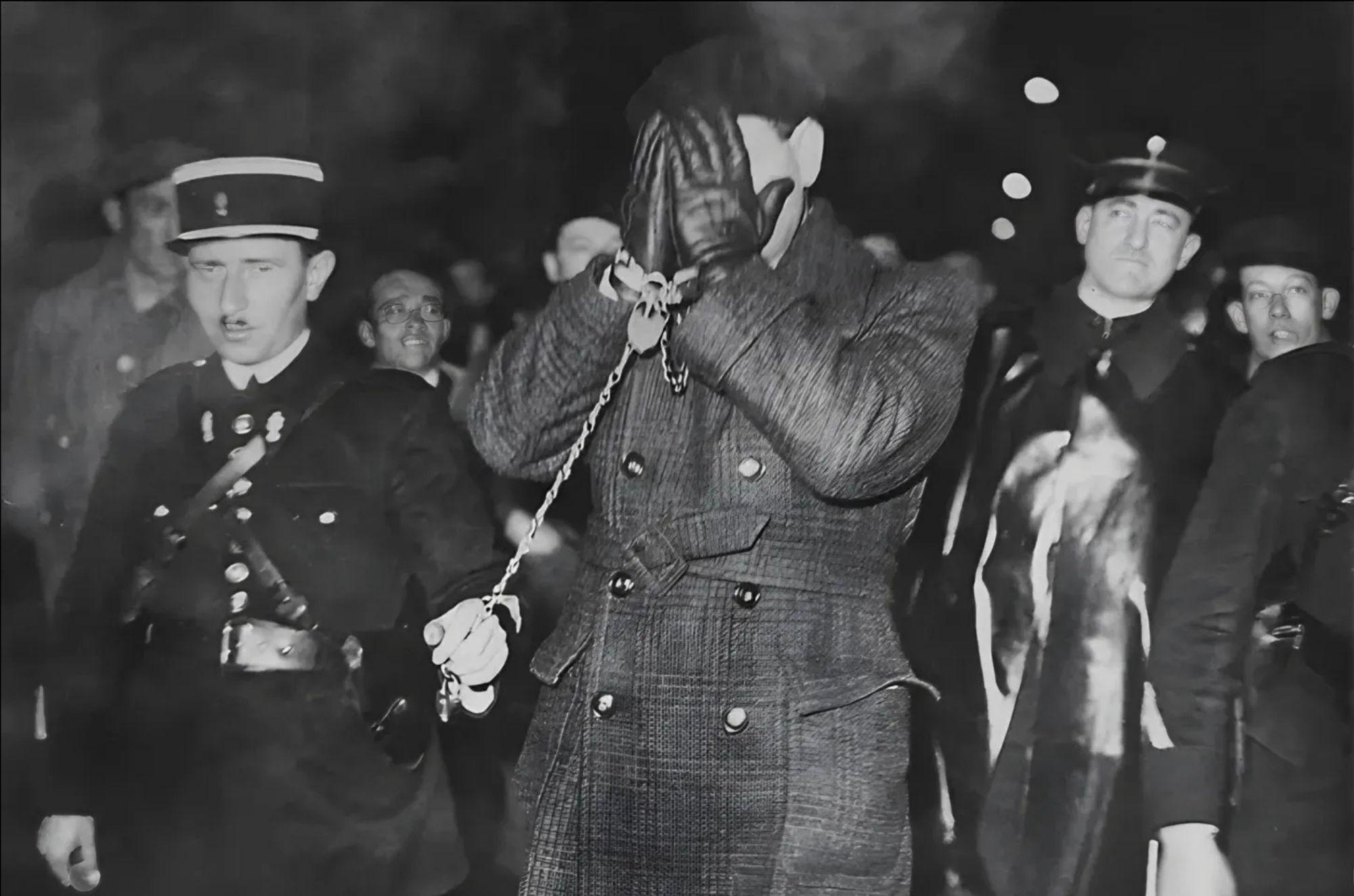
An unnamed member of La Cagoule is arrested by French police, 1937
In the end, police arrested only 71 members of La Cagoule, and none were charged with the murder of Laetitia Toureaux. The organization was too well connected and too well funded for the authorities to take decisive action, and some within the police and judiciary were known to sympathize with forces opposed to their own socialist government. All those imprisoned were released as France mobilized for war two years later, and many went on to become well-known collaborators with the Nazis during the occupation, working for the puppet Vichy regime. Following the war, few were punished for the crimes of La Cagoule or the Vichy era, as France sought to move on quickly without introspection. The man who likely wielded the blade, Jean Filliol, died in Spain as a wealthy man.
The story of Laetitia Toureaux is one of hidden depths, much like the victim herself. To the casual observer, it appeared to be an impossible crime against an ordinary working-class factory worker. Yet beneath the surface lay the insidious, cutthroat world of pre-war Paris—a city that, behind its air of bohemian romance, concealed its true face. While the case officially remains unsolved, there is little doubt that, contrary to the portrayal by Rouffignac, the police, and the press, Toureaux was actively working to dismantle a group committed to fascism and the overthrow of the republic. Many of her actions were clearly efforts to get closer to members of La Cagoule. France was not the country of her birth, but she was no traitor to the true ideals of French republicanism. She may have lost her life, but history should ensure that the memory of Laetitia Toureaux preserves the truth: she was a martyr for all those who continue to resist the murderous ideology of fascism.
Become a Front Page Detective
Sign up to receive breaking
Front Page Detectives
news and exclusive investigations.